


"We are the best judges of the kind of school programs which can contribute to these goals without causing damage to the child. We must, therefore, reclaim our right to direct the education of our children."
- INDIAN CONTROL OF INDIAN EDUCATION, Policy Paper presented to the Minister of Indian Affairs and Northern Development by the National Indian Brotherhood/Assembly of First Nations, 1972, p. 3.
Celebrating ITEP
The Genesis
The Indian Teacher Education Program (ITEP) was developed at the request of the First Nations people of Saskatchewan beginning in the late 1960s. In 1969, the Federation of Saskatchewan Indians (now the Federation of Sovereign Indigenous Nations) established an Education Task Force, which developed a comprehensive review of the state of Indigenous education in Saskatchewan.
The two-volume policy paper was further built upon in 1972 when the National Indian Brotherhood Education Committee developed a statement on ‘Indian Control of Indian Education’. This statement outlined the role that teacher education could play in connecting First Nations people to their culture, traditions, language, and teachings and was endorsed by the Government of Canada in 1973. This was a critical moment in history for Indigenous Teacher Education in Saskatchewan, which would pave a path for other Nations and regions to follow.
ITEP was created in 1972 and the first students began their program at the University of Saskatchewan in February 1973. Twenty students were selected from the applicants for the first cohort of teacher candidates in what was then a two-and-a-half-year program that resulted in a Standard A Certificate for teaching.
"We need your voices. We need your songs. We need your stories. For what must be remembered must be said. Our words must reveal the flesh of our culture. Our words must reveal our worldviews. This is our legacy. This is our duty. In my grandfather’s words, we must pray to the Creator that our words might be as a medicine to all those who hear them."
- Dr. Cecil King, Founding Director of ITEP, The Boy from Buzwah: A life in Indian Education
The Evolution
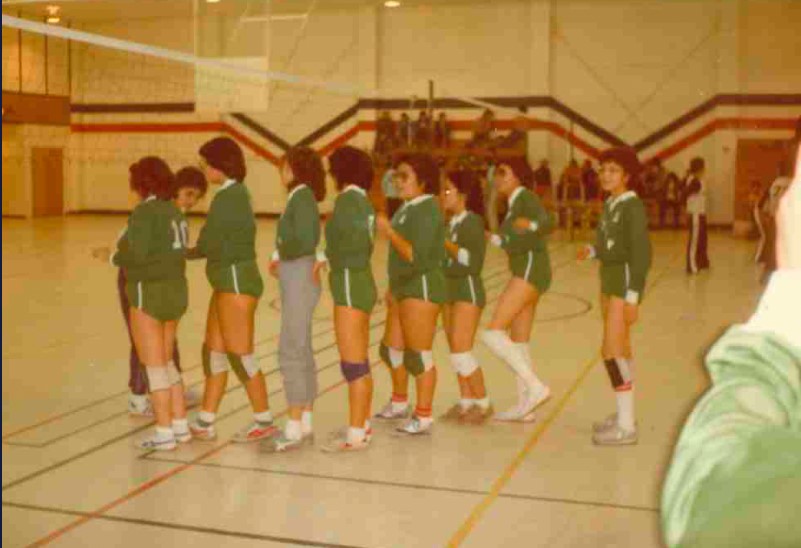
The foundational goal of ensuring that the ITEP program connects First Nations students to their culture, traditions, languages, and values has remained the cornerstone of ITEP since the very earliest days. This approach prepares educators to pass along that knowledge with skill and talent to Indigenous students in classrooms. As stated in the closing sentence of the ITEP Mission: ITEP will serve as a vehicle for building successful schools, communities and nations.
The program has been developed through a combination of USask education courses and cultural teaching, which provides a deep cultural context for the students. Elders and Knowledge Carriers are key to program delivery, along with the inclusion of Indigenous languages teaching, to ensure that the student experience remains true to the original intent of ITEP.
Program objectives include: to increase the number of First Nations teachers in Saskatchewan and beyond, to reinforce cultural awareness and identify, to inspire students to be role models, and to better serve the needs of First Nations Children in schools. Note: Click here to read the full list of program objectives.
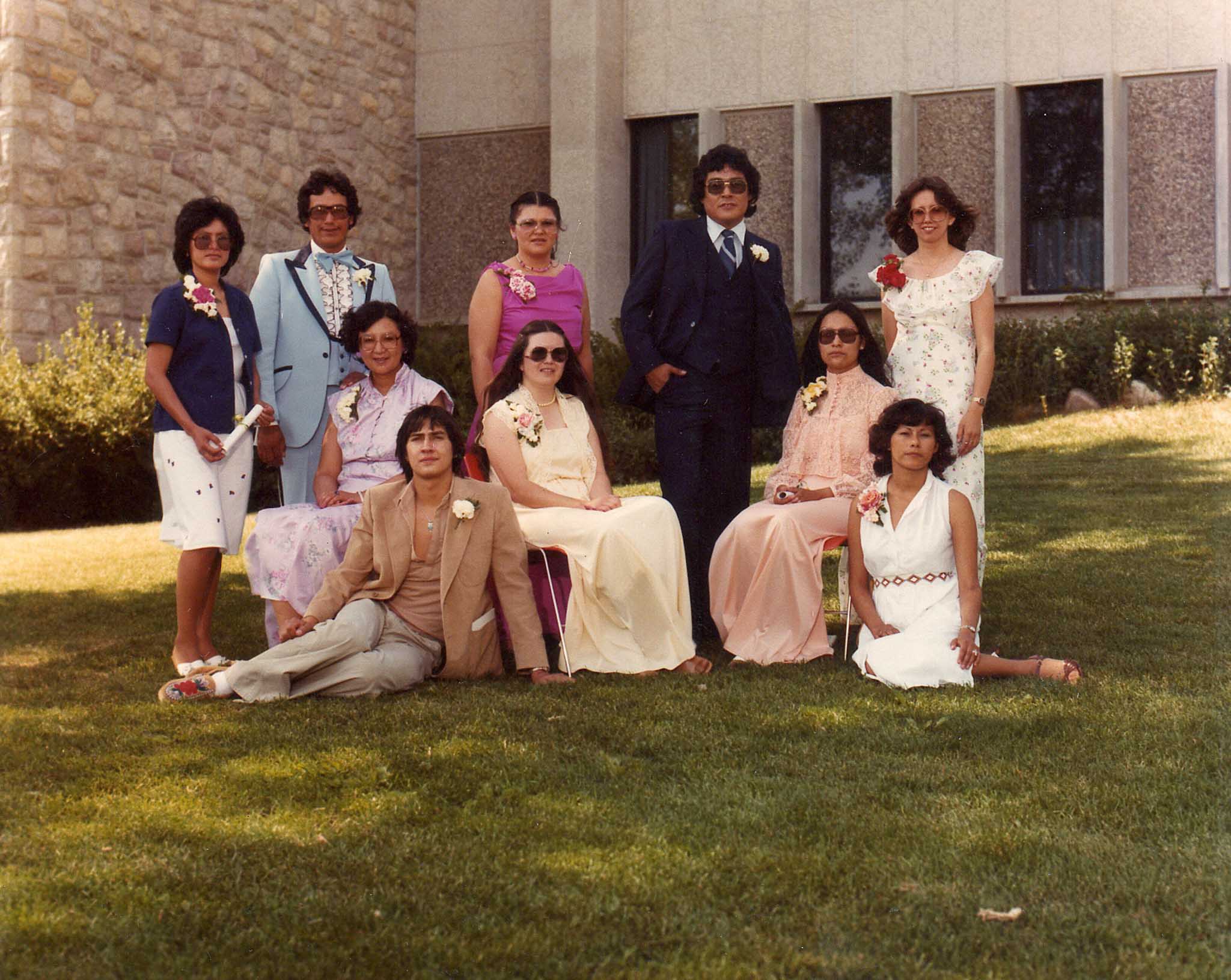
In a presentation to the National Indigenous Education and Reconciliation Network in May 2024 Yvette Arcand shared that one of the most significant contributing factors to the success of ITEP is the fact that it gives students a sense of family. Arcand notes that about 50% of the students who enter the ITEP program arrive with little to no knowledge about their language, culture or practices. Having Elders and cultural supports for students are an important part of the program as this ensures strengthening identify and family connectedness, while supporting students in their studies in Indigenous languages.
Since the inception of the program in 1973 ITEP has evolved from the original two-and-a-half-year program to a four-year Elementary and Secondary Program leading to a Bachelor of Education degree.
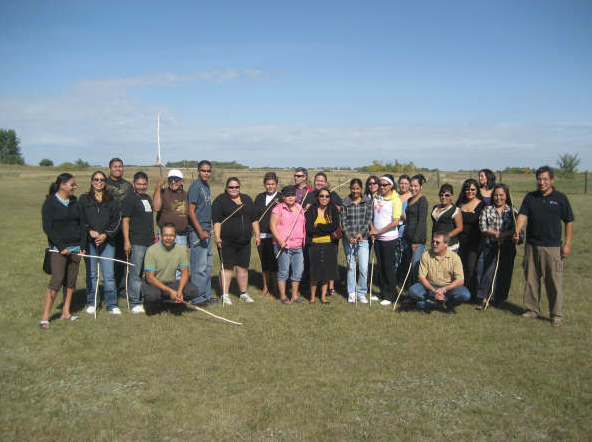
The program was previously funded through an agreement between Indigenous Services Canada (earlier known as Indian and Northern Affairs Canada) and the University of Saskatchewan. The program is now fully funded by the University of Saskatchewan. ITEP also administered the Teacher Education Program at Aurora College in the Northwest Territories.
ITEP alumni have been key to providing culturally appropriate educational opportunities for First Nations children across Saskatchewan for over 50 years. This was precisely the goal of Federation of Saskatchewan Indians and the National Indian Brotherhood in the late 1960’s and early 1970’s as they dreamed the dream for their children and grandchildren: Indian Control of Indian Education.
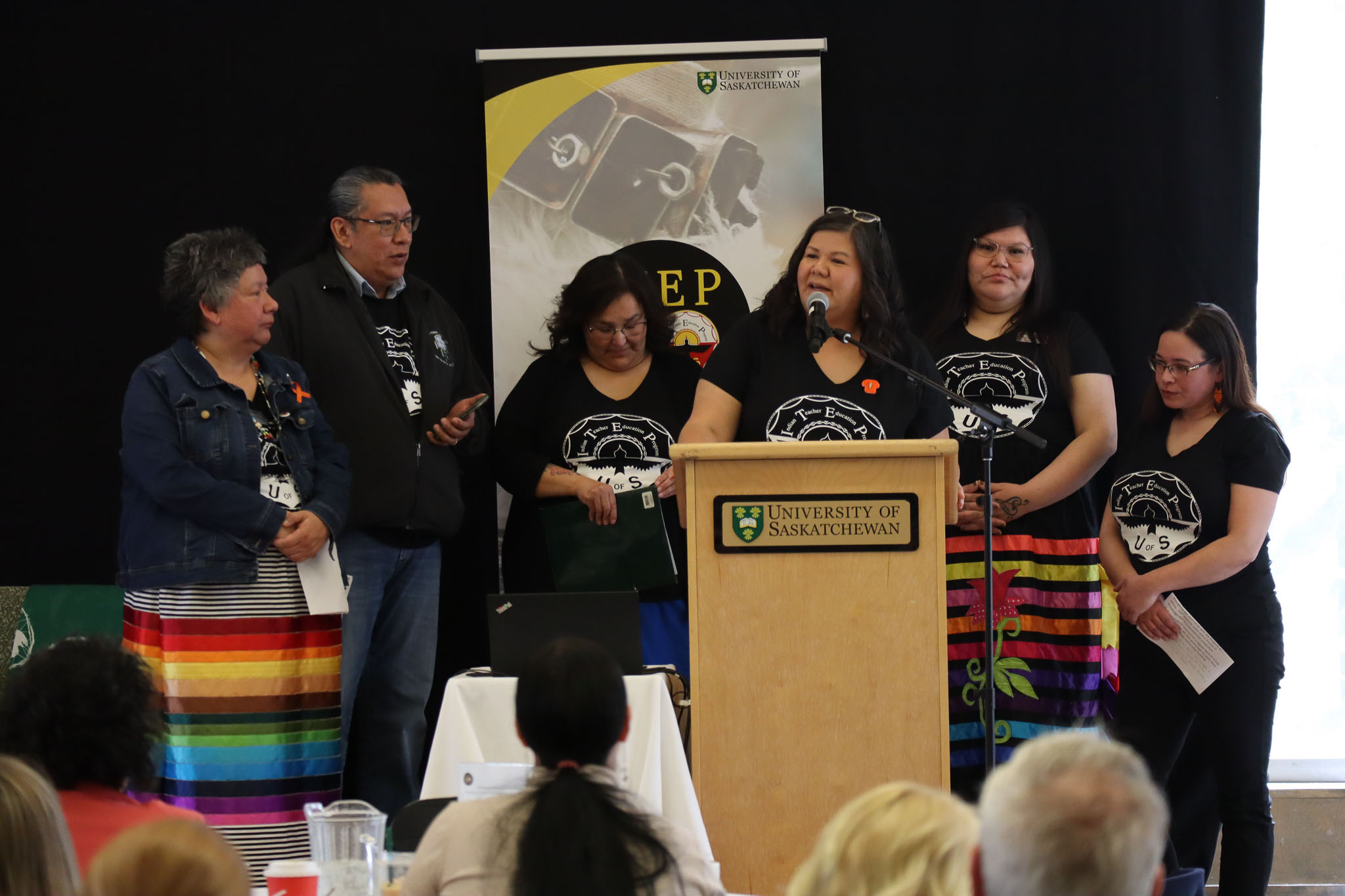
Yvette Arcand is the director of ITEP and a 1997 graduate of the program. As she reflects upon the journey of ITEP she recalls the stories, the struggles and the triumphs: “ITEP was built because it was what our Elders wanted: to strengthen identity and culture and provide opportunities to build strong Indigenous people and communities through education.”
Today, ITEP maintains its connections to the original vision of Saskatchewan First Nations community members and leaders, as well as the original policy paper by retaining the word ‘Indian’ in its name.
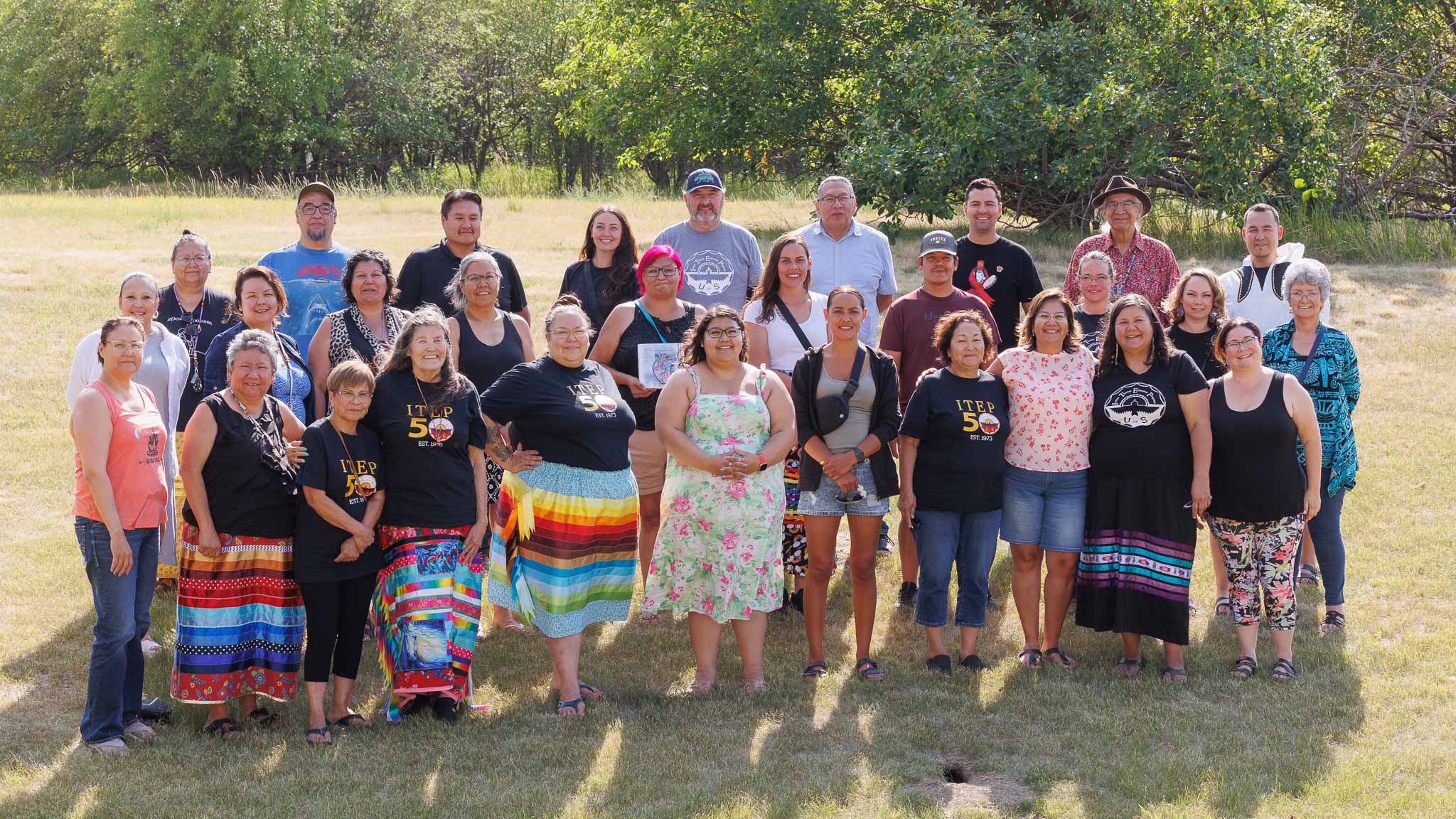
Over the past 50 years, nearly 3,000 students have graduated from ITEP and gone onto varied careers in education, government, politics, business, language, and the arts. More than three quarters of Band schools in Saskatchewan have ITEP graduates teaching their children, as well as many provincial schools and schools outside of Saskatchewan.
The Program
ITEP offers two programs: the Bachelor of Education (B.Ed.) for Early/Middle Years and the Bachelor of Education (B.Ed.) for Secondary.
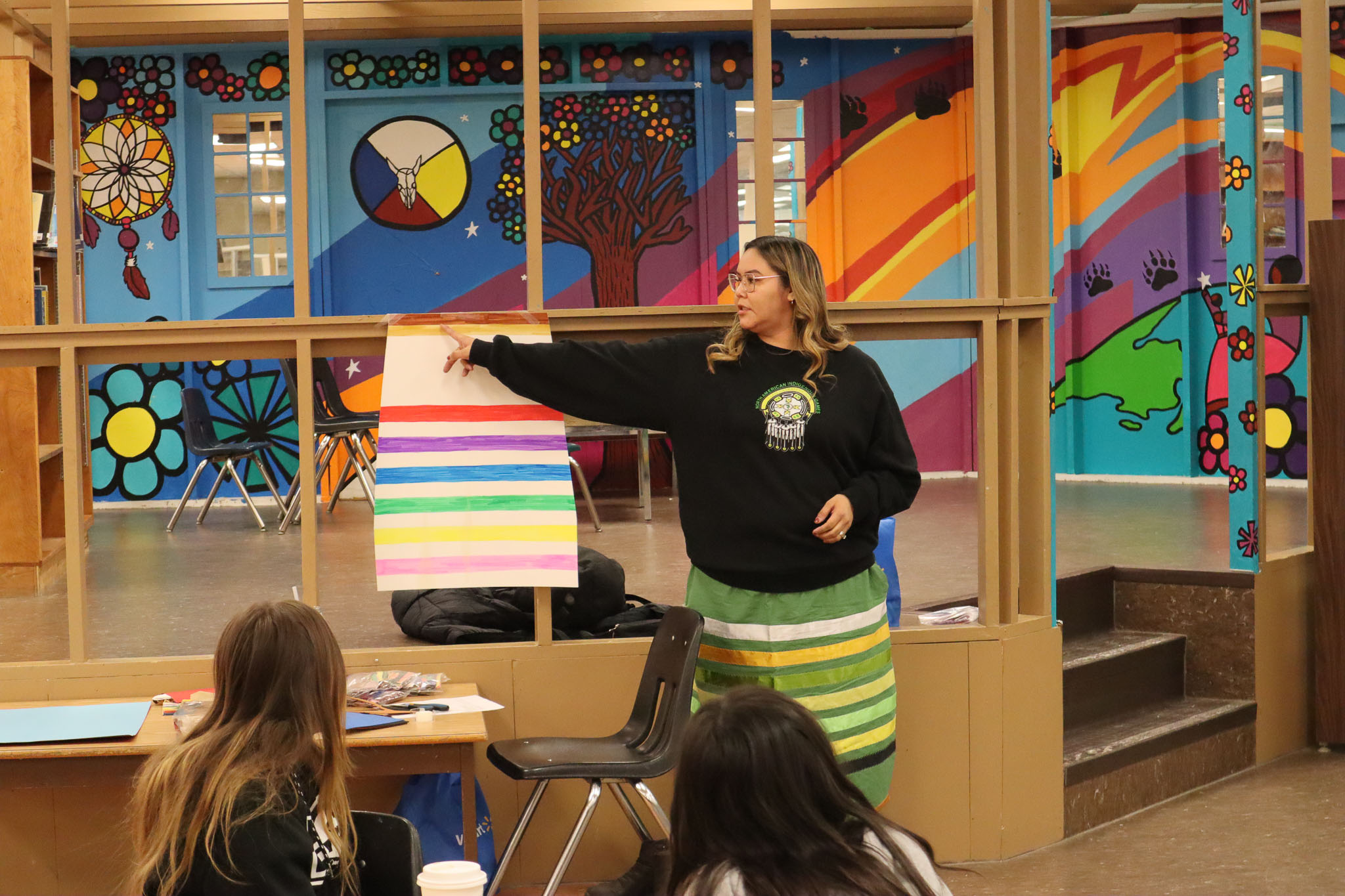
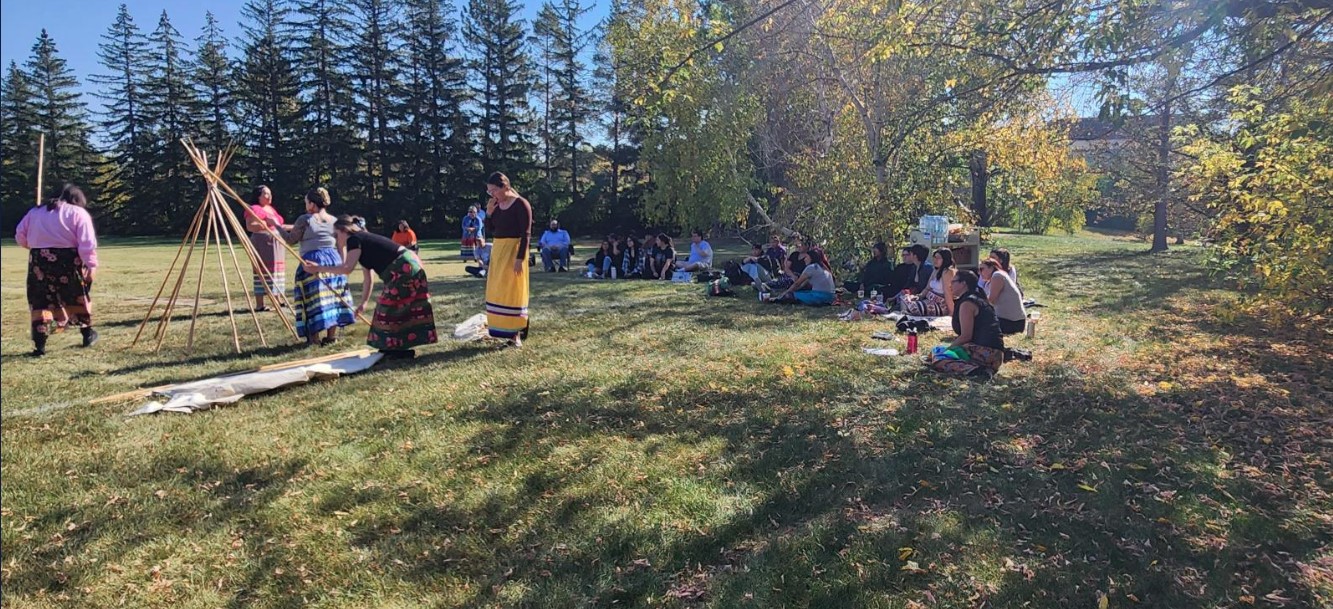
To ensure a strong cultural context that will carry students through their program in a good way, there is a heavy emphasis on learning about cultural identity and connecting with community in year one of the program. This includes a pipe ceremony to start each year of the program. ITEP holds four culture camps a year (one in each season) to honour ceremony and Indigenous ways of knowing and learning.
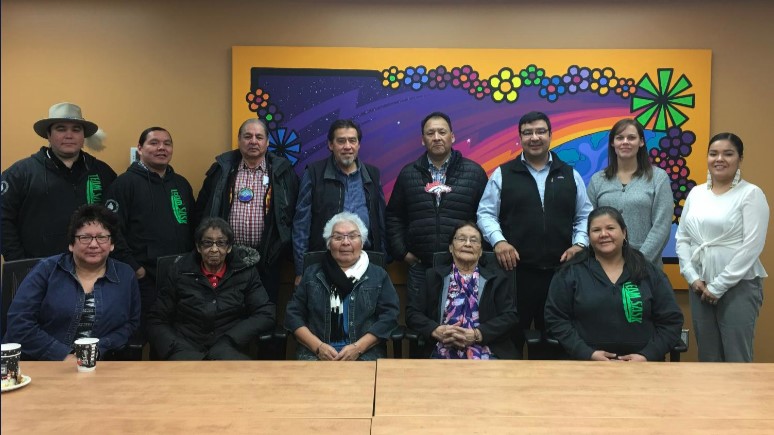
The program is guided by Elders and grandparents honouring the languages of all the First Nations connected to the program and the territory, honouring all perspectives. The knowledge, histories, stories, and teachings are infused into the program from the land, locations and cultures of the students and teachers.
Regardless of the level of cultural awareness or experience when students arrive for year one of their program, they are very well prepared through the program to share the cultural knowledge with their students during their practicum placements in schools across Saskatchewan.
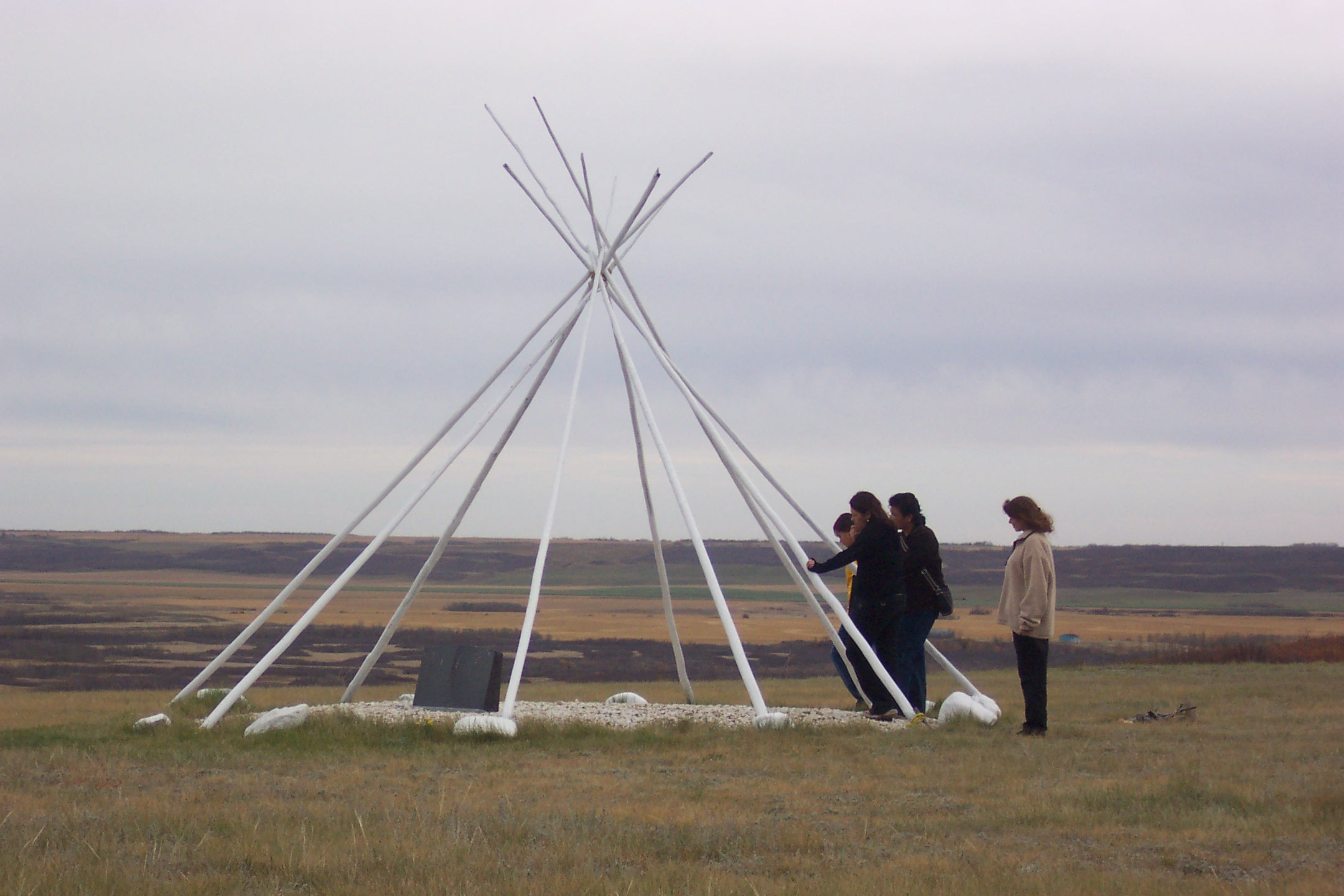
Celebrating 50 Years of Indigenous Teacher Education

Throughout 2023, ITEP celebrated 50 years of continuous operations as the Indigenous Teacher Education Program for First Nations students in Saskatchewan.
“Over the last 50 years [ITEP] has graduated about 3,000 teachers, about 50 graduates every year, which warms my heart,” says Yvette Arcand, ITEP Director.
Interim Vice-Provost, Indigenous Engagement Dr. Angela Jaime is quoted in a 50th anniversary focused article on the USask College of Education webpage as stating, “50 years shows that collaboration improves, and that self-determination is absolutely possible. It’s the inherent right of Indigenous people to determine their own education and their own way forward. It’s important for our kids to see brown faces at the front of the classroom and feel affirmed, to see their culture, to hear the drum, to go to gatherings, to be a part of community.”
Stories about the 50 th anniversary celebrations:
The People Behind the Program
Yvette Arcand - ITEP Director

Yvette Arcand, Director of the Indian Teacher Education Program (ITEP) in the College of Education, was recognized in the category of Education for her dedication to uplifting and supporting Indigenous students in their journey to becoming teachers.
Click here to read more about Yvette.
Dr. Cecil King - former ITEP Director
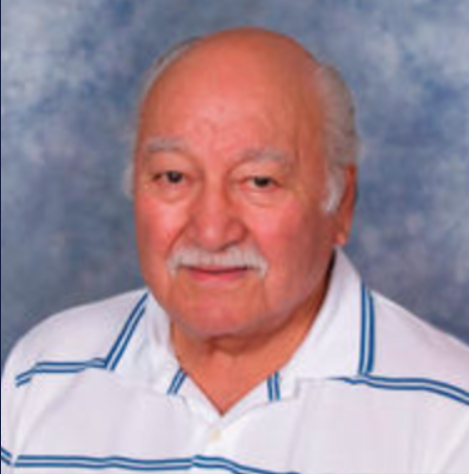
Dr. King (1932-2022) was the founding director of ITEP in 1973. In his memoir, The Boy from Buzwah, he wrote, “The new task was to design, develop and implement a program that produced Indian teachers who received the same credentials as other Saskatchewan teachers but who were equipped to change the education of Indian children in the province in accord with the wishes of the chiefs, communities, and parents while preparing children for their place in society”. Follow the links below to read more about:
Orest Murawsky - former ITEP Director
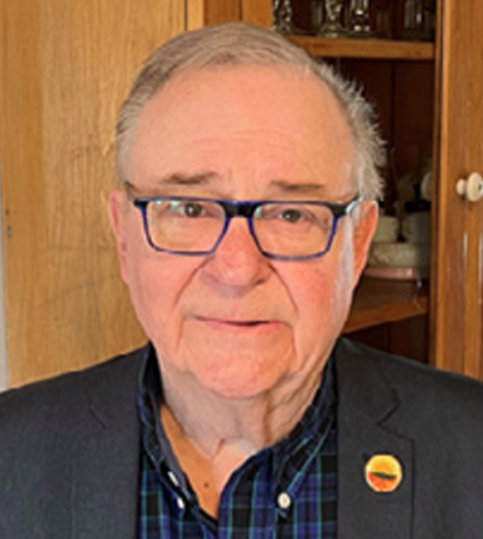
Orest was the ITEP Director for more than 35 years. He was a teacher educator at heart, and he continued to teach courses in the program throughout his career.
In an interview with Dr. Shauneen Pete, Orest stated that in his view, the community-based delivery method was a real strength for ITEP. He explained that the community-based model built relevant and responsive curriculum and teaching practices, and encouraged a high degree of parental, community, and Elder engagement. In turn, the school became a hub for community development. Graduates of ITEP often returned to their Nations as teachers and continued on as community leaders. Orest explained that many ITEP graduates went on to provide leadership throughout Saskatchewan.
ITEP Alumni
The success stories and contributions of ITEP alumni are many and they are powerful, beginning with the very first cohort of teacher candidates.
Elizabeth Ahenakew
Elizabeth Ahenakew went on to teach for a number of years before becoming an Elder at E.D. Feehan high school and with the Gordon Tootoosis Nikaniwin Theatre Circle of Voices program for youth.
Judy Pelly - Makate Pinasek (BEd'85)
Makate Pinasek hails from the Cote First Nation. She was born and raised among Knowledge Keepers, Wisdom Holders, and Lodge Keepers. Judy was one of the first students to enroll in the newly established Indian Teacher Education Program in 1973, where she obtained her teaching certificate and later finished her Bachelor of Education degree in 1985. She moved to Alberta and worked with Alberta Learning as an Education Manager for 15 years, before returning to Saskatoon. She has worked in various capacities with the Federation of Sovereign Indigenous Nations and retired from the Saskatchewan Indian Institute of Technologies as Dean of Community and Health Studies in 2015 after 21 years of service.
Ida Iron (1985)
Upon graduation from ITEP, Ida taught in Fond du Lac, and that summer she completed her Bachelor of Arts degree (Native Studies). Ida has had a dynamic career, teaching in First Nations schools in Saskatchewan, Ontario, and Alberta. She worked for Saskatoon Public Schools as a substitute language teacher. Later, she worked for the Office of Treaty Commission, facilitating workshops for middle, and high school teachers on Teaching Treaties in the Classroom.
Ida earned a Master of Educational Leadership degree from the U of S in 2001. Since then, she has worked as a Principal and Tribal Council Education Director. Ida is currently serving as the Principal of Chief Little Pine School in Little Pine First Nation (SK).
Edie Venne (1994)
Edie graduated in 1994, and says it is gratifying to see Indigenous children around the province, and Canada, now have more role models in the profession of teaching because of ITEP. When she went to school there were no Indigenous teachers in her life. That difference is life changing.
"We became a big family [in ITEP] because we were basically all on the same journey. We were all wanting to be teachers, and back when I went, we were mostly all in our 30s and 40s," said Venne.
The program has many alumni making a difference in communities across the province, country and world. Here are just a few of their stories:
- Randy Morin (2007)
- Dwayne Drescher (2016)
- Edie Venne and Kona Barreda (mother-daughter graduates of ITEP)
- Joseph Naytowhow (1995)
- Harry Lafond (1981)
- Dr. Gordon Martell (1991)
- Dr. Verna St. Denis (1982)
- Carson Magnuson (2018)
- Mika Lafond (2006)
- Tim Roy (2022)
- Kevin Lewis (2003)
- Jessica McDonald
- Stella Wilm (2021)
- Jade Roberts (2018)
- Chante Speidel
- TeeJay Sumners (2022)
- Kal Ledoux
- Blaine Favel (1987, former chancellor of USask)
- George Lafond (1980)
Click here to read a story on multiple ITEP alumni!