

Understanding Learning in a Digital Age
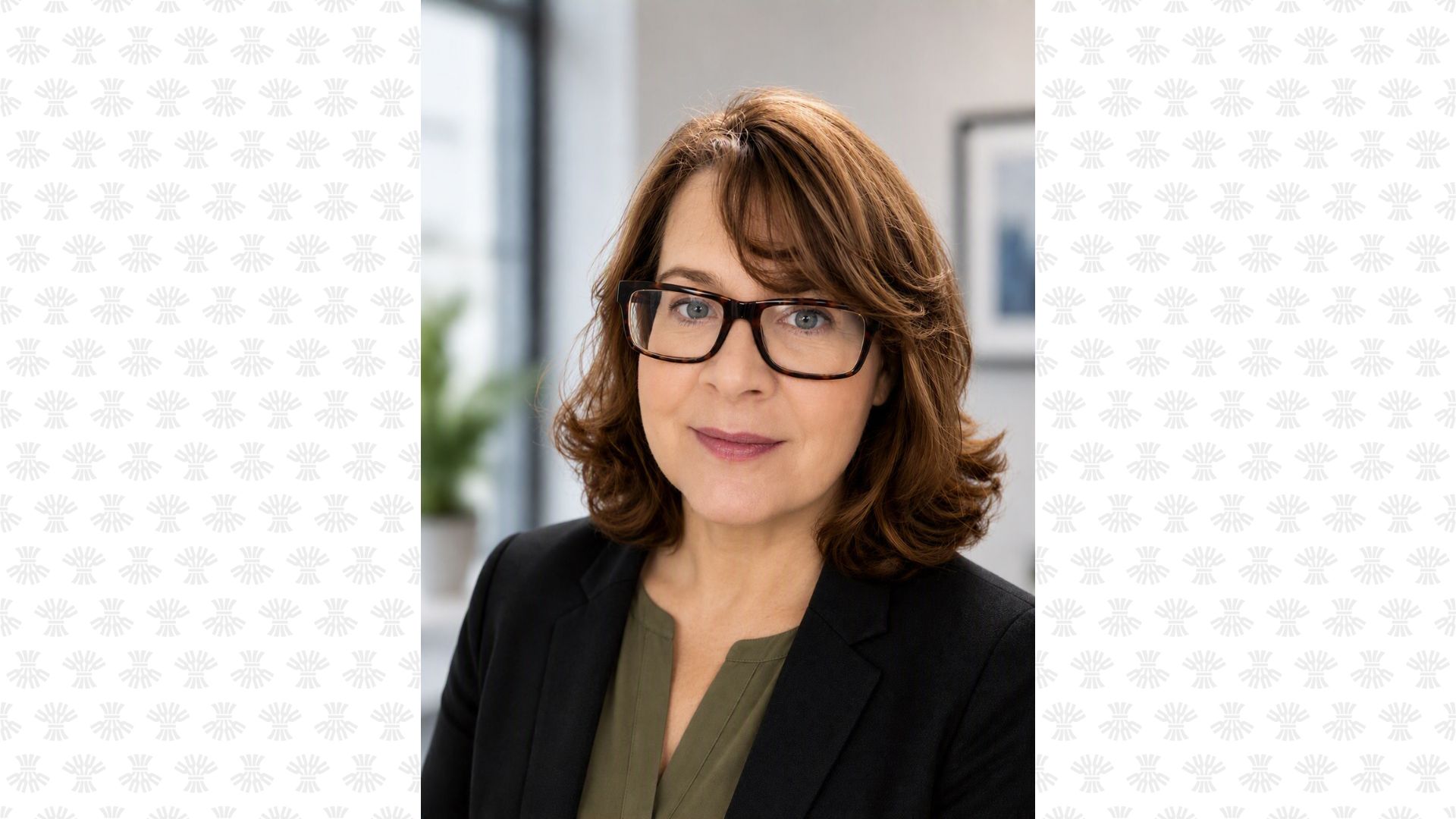
Dr. Cathlene Hillier's (PhD) research examines how children learn with digital technologies and the roles that schools and families play in supporting that learning.
By Connor JayHillier was appointed to the University of Saskatchewan’s (USask) College of Education’s Department of Curriculum Studies as an associate professor in July 2025. She completed her Bachelor of Arts degree in Sociology at the University of Waterloo in 1998 followed by a Bachelor of Education degree at the University of Windsor in 1999.
While teaching elementary school in Ontario, she was accepted into graduate studies at the Ontario Institute for Studies in Education / University of Toronto. She would finish her Master of Education degree in Curriculum, Teaching, and Learning in 2008 followed by a Master of Arts degree from Wilfrid Laurier University in 2011.
Falling in love with the research, a PhD was the natural next step. Thanks to encouragement from her husband, Hillier would return to the University of Waterloo to continue her studies.
“I always knew I'd get a master's degree because I really enjoy research,” Hillier said. “My husband convinced me to do a PhD. My PhD brought together my research, education and past teaching experiences.”
Hillier's PhD topic focused on parental engagement factoring towards student academic achievement. What she discovered is that there wasn’t a direct correlation between engagement and achievement. And there is often a specific set of the “types” of engagement considered in the research.
“The literature, especially quantitative literature, says that there is a correlation between parent engagement and academic achievement for certain students such as those from middle- and upper-class socioeconomic backgrounds. These children are often already doing well – but that doesn't work for all families, and parental engagement can look different.”
Engagement remained at the forefront of her research as she joined another project that looked at implementing robotics in schools. As technology advances in classrooms, her colleagues studied how digital literacy can increase the competency levels of students.
"Collaboration, communication and problem solving are things employers are looking for in the workplace. So, we need to build these skills, essentially for children's futures in an ever-evolving job force.”
By bringing technology and parent engagement together, they observed how children use digital technology for their own learning and the role parents and schools have in guiding children. As the primary investigator, she recognizes how access to technology can potentially close learning gaps.
“Digital technologies are so widespread with a majority of families in North America having access to some type device in the home,” Hillier said. “We came to the premise that maybe children can facilitate some of their own learning.”
Already having a passion for science, technology, engineering, and mathematics (STEM), Hillier is implementing that knowledge and practice through robotics. She started a club for teacher candidates at her last university so they would feel more comfortable adding the skill set to their teachings.
“We used a play-based approach with peer-to-peer mentoring and professor-to-student mentoring,” she said. “We looked at mentoring relationships and what that offers for pre-service teachers, and how to make them moreconfident in bringing robotics into their classrooms. The other piece is how children use digital technologies as learning tools and how schools and parents facilitate that process.”
After teaching at post-secondary institutions in Ontario and New Brunswick, Hillier was attracted to the associate professor position at USask because of its specialization in social studies and expanded opportunities in research.
“I knew that USask was a strong research university,” she said. “The university’s commitment towards truth and reconciliation and treaty education was something I also was really intrigued by.”
She noticed the impact of the mentoring programs the college offered teacher candidates leading up to entering the workforce.
“These mentorship practicums are a great way to get undergraduate students to start thinking about teaching in terms of a professional degree,” Hillier said.
With her undergraduate and graduate students, she highlights connection as the key to building a stronger future. Hillier acknowledges the digital world we operate in, but she knows that in-person relationships and communication are vital.
“My research focuses on a lot of the positives of digital technology for building student learning and global competencies,” she said. “But at the same time, I would love for people to look up from their digital devices and connect with each other. I don't want to forget the humanity of it all.”
Since Hillier’s research has a qualitative element, she gets the joy of connecting and learning about people’s experiences through conversation.
“Technology is not going anywhere so we need to learn how to live with it,” she said. “I get to hear about people’s lives and what they think about the things that matter to them. This is true connection. When interviewing children and hearing their thoughts, I find it even more special.”